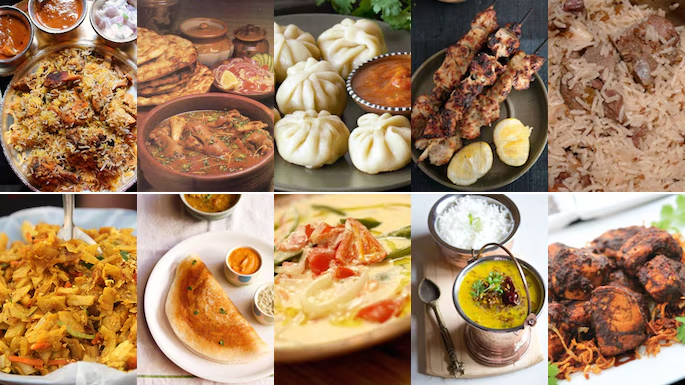
For centuries, the kitchens of India, Pakistan, and Bangladesh have hummed with the quiet activity of microbial transformation. While the West is currently rediscovering the gut-healing wonders of kombucha and kefir, fermented foods of South Asia have been staples of the regional diet since ancient times. These traditional techniques weren’t just about preservation; they were about unlocking deep flavors and enhancing nutrition. From the tangy zip of a sourdough-like idli batter to the pungent depth of mustard-fermented vegetables, these age-old culinary practices are now taking the global wellness world by storm as modern science validates their incredible probiotic benefits.
1. The Heritage of Natural Fermentation
South Asian fermentation relies heavily on wild, airborne yeast and “good” bacteria. Unlike industrial processes, these traditional methods use the natural environment to break down complex carbohydrates, making the final dish much easier for the human digestive system to process and absorb.
2. Dosa: The Savory Rice Crepe
Perhaps the most famous export, dosa is made from a fermented batter of rice and black lentils (urad dal). The fermentation process usually takes 8 to 12 hours, creating a light, airy texture and a distinctively tangy flavor profile that pairs perfectly with spicy chutneys.
3. Idli: The Ultimate Probiotic Breakfast
Idlis are steamed cakes made from the same fermented batter as dosas. Because they are steamed rather than fried, they are considered one of the healthiest breakfasts in the world. The fermentation increases the bioavailability of proteins and Vitamin B in the grains.
4. Dhokla: Gujarat’s Fermented Gem
Hailing from Western India, dhokla is a savory sponge cake made from fermented chickpea flour. It is a masterclass in texture—light, fluffy, and slightly sour. The fermentation gives it a low glycemic index, making it an excellent snack for blood sugar management.
5. Kanji: The Purple Probiotic Drink
Common in North India and Pakistan during winter, Kanji is a fermented drink made from black carrots, mustard seeds, and water. Left in the sun for days, it develops a deep purple hue and a salty, spicy tang that acts as a powerful digestive tonic.
6. Gundruk: Himalayan Fermented Greens
Popular in Nepal and parts of India, Gundruk is produced by fermenting leafy vegetables like mustard or radish leaves. It is an essential source of minerals during the cold months when fresh greens are scarce, offering a unique, acidic umami flavor to soups.
7. Shikanji and Probiotic Lemonades
While many know shikanji as a simple lemonade, traditional versions often incorporate fermented elements or are served alongside probiotic-rich snacks. The inclusion of black salt and roasted cumin helps stimulate the gut enzymes, mirroring the benefits of more complex fermented beverages.
8. Appam: The Coconut Milk Ferment
These lacy, bowl-shaped pancakes from Kerala are fermented using toddy (palm wine) or yeast and coconut milk. The result is a soft, spongy center and crispy edges. The fermentation provides a delicate sweetness that balances spicy stews and curries beautifully.
9. Bhatura: The Fermented Flatbread
Often paired with spicy chickpeas, bhatura is a deep-fried bread made from refined flour fermented with yogurt or yeast. This process creates the iconic large air bubbles and chewy texture, making it far more flavorful than unfermented flatbreads.
10. The Role of Curd (Dahi)
In South Asia, dahi or homemade yogurt is the king of fermented foods. It is consumed daily as a side, a drink (lassi), or a base for gravies. It provides a massive dose of Lactobacillus, which is crucial for maintaining healthy gut flora.
11. Pickle Fermentation (Achaar)
Unlike Western vinegar-based pickles, traditional South Asian achaar is fermented in oil and salt with spices. The sun-drying process allows natural fermentation to occur, resulting in a condiment that is rich in flavor and beneficial enzymes that aid digestion.
12. Siddu: Himachal’s Fermented Bread
Siddu is a traditional steamed bread from the mountains, where dough is fermented for several hours before being stuffed with poppy seeds or walnuts. The fermentation helps the dough rise in the cold climate and adds a complex earthy depth.
13. Enduri Pitha: Steamed Fermented Cakes
An Odia delicacy, these cakes are made from fermented rice and black gram batter, wrapped in turmeric leaves, and steamed. The leaves impart an herbal aroma, while the fermentation ensures the cakes are soft and nutritionally dense for festival seasons.
14. Panta Bhat: Fermented Rice
Panta bhat is a traditional Bengali dish where leftover rice is soaked in water overnight to ferment. It is a cooling food often eaten during hot summers, providing instant energy and a host of micronutrients developed through the overnight microbial action.
15. Hawaijar: Fermented Soybeans
Found in Manipur, Hawaijar is made by fermenting soybeans in banana leaves. It is rich in protein and possesses a strong, pungent aroma similar to Japanese natto. It is a prime example of how fermentation preserves plant-based proteins.
16. Sinki: Radish Taproot Ferment
Similar to Gundruk, Sinki is made from radish roots that are aged in a pit for weeks. This traditional preservation method creates a sour, flavorful ingredient used in stews, proving that ancient South Asian cultures were masters of long-term food storage.
17. The Science of Bioavailability
Fermentation in South Asian cuisine isn’t just for taste; it reduces “anti-nutrients” like phytic acid. This allows the body to better absorb essential minerals like iron and zinc from the grains and legumes that form the backbone of the regional diet.
18. Gut-Brain Axis Benefits
Modern research suggests that the probiotics found in traditional fermented foods can influence mood and mental clarity. By regularly consuming dahi or idli, South Asians have historically supported their “second brain” (the gut) through natural, everyday dietary choices.
19. Natural Preservation Without Chemicals
In the era before refrigeration, fermentation was the primary way to keep food from spoiling in the tropical heat. The lactic acid produced during the process acts as a natural preservative, keeping food safe and edible for extended periods.
20. Low-Cost Nutrition for All
Fermentation is an affordable way to enhance food. It requires no expensive equipment—just jars, cloth, and time. This accessibility has made fermented foods a cornerstone of nutrition for people across all socio-economic backgrounds in South Asia.
SEO Meta Description
Explore the incredible world of fermented foods of South Asia. Discover traditional recipes like idli, kanji, and achaar that offer powerful probiotic benefits for gut health.
Focus Keywords
- Fermented foods of South Asia
- Probiotic Indian foods
- Traditional fermented recipes
- Gut health South Asian diet
- Natural fermentation benefits
- Indian pickles achaar
- Fermented rice panta bhat
FAQ Section
Q: Are South Asian fermented foods safe to make at home? A: Yes, as long as you maintain cleanliness and follow traditional ratios of salt and water, home fermentation is safe and very common in South Asian households.
Q: Is yogurt the only fermented food in Indian cuisine? A: Not at all! While yogurt is popular, the cuisine includes fermented breads (dosa, appam), drinks (kanji), and vegetables (achaar, gundruk).
Q: Do fermented foods help with weight loss? A: Fermented foods improve digestion and metabolic health, which can support a healthy weight management journey when part of a balanced diet.
Internal Linking Suggestions
- The Ultimate Guide to Homemade Indian Yogurt: How to get the perfect set every time.
- Top 10 Spices for Digestive Health: Beyond flavor—using your spice box as medicine.
- A History of Sourdough vs. Dosa Batter: Exploring the world’s most famous fermented grains.
Conclusion
The global shift toward functional foods has brought the fermented foods of South Asia into a well-deserved spotlight. These dishes are more than just cultural artifacts; they are sophisticated culinary inventions that marry flavor with peak nutrition. By incorporating traditional staples like dahi, idli, or kanji into your modern diet, you aren’t just following a trend—you are embracing a time-tested legacy of wellness that supports your gut, heart, and mind.
Leave a Reply