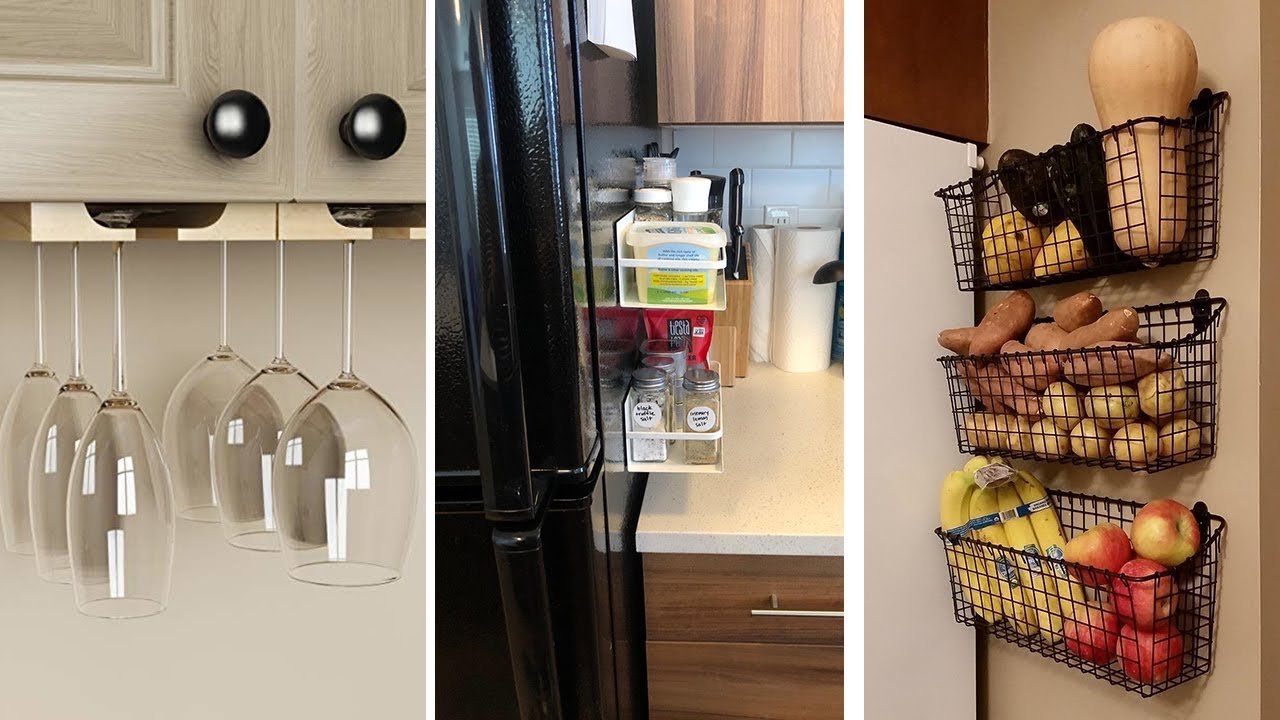
Cooking a five-star meal in a cramped kitchen often feels like a puzzle where half the pieces are missing. When your drawers are jammed and your counters are cluttered, even boiling pasta becomes a chore. Mastering kitchen organization hacks: how to manage utensils in small spaces is the secret to reclaiming your culinary joy. By thinking vertically and utilizing every square inch of available real estate, you can transform a chaotic kitchenette into a streamlined workstation. This guide explores creative, practical strategies to keep your whisks, spatulas, and knives within arm’s reach without sacrificing your precious prep space.
1. Install a Magnetic Knife Strip
Mounting a magnetic strip on the backsplash is a game-changer for small kitchens. It frees up drawer space and removes the need for a bulky knife block on the counter. Plus, it keeps your blades sharp and easily accessible while adding a professional, modern look to your cooking area.
2. Utilize the Inside of Cabinet Doors
The back of your cabinet doors is prime untapped real estate. Install small adhesive hooks or shallow bins to hang measuring spoons and lightweight whisks. This simple hack keeps smaller items organized and prevents them from getting lost in the “black hole” of a deep kitchen drawer.
3. Use Tiered Drawer Dividers
Standard dividers often leave wasted vertical space within a drawer. Opt for tiered or stackable organizers that allow you to layer your utensils. Place frequently used items like spoons on top and seasonal tools, like corn on the cob holders, in the lower compartment.
4. Hang a Pegboard Wall
Channel your inner Julia Child by installing a pegboard. This versatile tool allows you to customize your storage layout as your utensil collection grows. Hanging large ladles, colanders, and tongs on the wall keeps them off the counter and creates a functional piece of industrial-style kitchen decor.
5. Invest in Expandable Organizers
Every drawer is sized differently, which is why “one size fits all” organizers rarely work. Expandable bamboo or plastic trays fit snugly against the edges of your drawer, ensuring no utensil slides into the gaps. This creates a custom-built feel that maximizes every millimeter of space.
6. Vertical Tension Rods for Lids
If your large utensils are fighting for space with pot lids, try using small tension rods. Place them vertically in a deep drawer or cabinet to create slots. This keeps flat items upright, leaving more floor space for bulky gadgets and large serving spoons.
7. Over-the-Sink Drying Racks
In a tiny kitchen, counter space is king. An over-the-sink rack allows you to dry hand-washed utensils and wooden spoons without taking up a single inch of the countertop. The water drips directly into the drain, keeping your workspace dry and tidy.
8. Use S-Hooks on Open Shelving
If you have open shelving or a wire baker’s rack, S-hooks are your best friend. Use them to hang mugs, heavy-duty tongs, or even small baskets filled with tasting spoons. This keeps your most-used tools visible and ready for action at a moment’s notice.
9. Diagonal Drawer Dividers
Diagonal dividers are a brilliant hack for extra-long utensils like rolling pins or oversized spatulas that won’t fit horizontally. By partitioning the drawer diagonally, you create a longer path that accommodates those awkward tools while still leaving triangular corners for smaller items.
10. Rotating Lazy Susans
A Lazy Susan isn’t just for spices. Placing one in a corner cabinet or on a shelf allows you to store upright utensil crocks that you can spin to access. It eliminates the need to reach into the dark corners of a cabinet to find a specific whisk.
11. Command Hooks for Oven Mitts
Oven mitts and potholders are often stuffed into drawers, taking up space meant for utensils. Use adhesive hooks on the side of the fridge or inside a pantry door to hang them. This keeps them flat, organized, and away from your metal tools.
12. Repurpose Office Organizers
Mesh desk organizers or magazine holders are surprisingly effective in the kitchen. Use a magazine file to store thin items like silicone mats or long grill tongs. These slim profiles fit perfectly in narrow gaps between appliances or inside slim cabinets.
13. Install a Ceiling Pot Rack
If your walls are full, look up. A ceiling-mounted rack can hold more than just pans; many come with hooks for large whisks, skimmers, and pasta forks. It’s an excellent way to use the “dead air” space above an island or sink.
14. Group by Frequency of Use
One of the best organization hacks is logic-based placement. Keep “daily” utensils in the top drawer nearest the stove. Move “occasional” tools, like turkey basters, to higher shelves. This reduces the time spent digging through clutter during a busy weeknight.
15. Slim Rolling Carts
A three-tiered rolling cart can act as a mobile utensil station. You can tuck it into a pantry or a closet when not in use and wheel it out when prepping a big meal. It’s an instant “pop-up” drawer for the smallest of kitchens.
16. Use Pitchers as Tool Crocks
If you have a beautiful ceramic pitcher that you rarely use for drinks, turn it into a utensil holder. Placing it on the counter for your wooden spoons adds a touch of personality while keeping the most essential tools within arm’s reach.
17. Label Everything
In a small space, items must be returned to their specific “home” to prevent chaos. Using a label maker for the edges of drawer dividers helps everyone in the household know exactly where the vegetable peeler goes, maintaining the system long-term.
18. Declutter and Donate
The most effective way to manage utensils in a small space is to have fewer of them. Periodically audit your collection. If you have five spatulas but only use two, donate the extras. Minimalism is the ultimate foundation for a well-organized kitchen.
19. Under-Shelf Baskets
Slide-on wire baskets that attach to existing shelves provide an extra layer of storage. These are perfect for flat utensils or boxed items like silver foil and parchment paper, utilizing the empty space beneath the shelf above.
20. Toe-Kick Drawers
For a serious renovation hack, consider toe-kick drawers. These are shallow drawers installed in the space between the bottom of your cabinets and the floor. They are the perfect hidden spot for storing flat baking sheets or oversized serving platters.
SEO Meta Description
Learn the best kitchen organization hacks: how to manage utensils in small spaces. Maximize your kitchen layout with creative storage tips and expert advice.
Focus Keywords
- Kitchen organization hacks
- Small kitchen storage
- Utensil management
- Space-saving kitchen tips
- Apartment kitchen organization
- Kitchen drawer dividers
FAQ Section
Q: What is the best way to store large utensils in a small kitchen? A: Vertical storage is best. Use a wall-mounted pegboard, a magnetic strip, or a tall ceramic crock on the counter to keep bulky items from jamming your drawers.
Q: How can I organize a kitchen with no drawers? A: Utilize wall space with rails and S-hooks, or use a rolling cart with baskets to create “floating” drawers for your utensils and gadgets.
Q: Should I store knives in a drawer or on a wall? A: In small spaces, a wall-mounted magnetic strip is safer and more space-efficient than a drawer insert or a bulky countertop knife block.
Internal Linking Suggestions
- 10 Essential Tools Every Home Cook Needs
- How to Deep Clean Your Kitchen in Under an Hour
- The Best Stackable Cookware for Tiny Apartments
Professional Conclusion
Managing a small kitchen doesn’t have to be a daily struggle against clutter. By implementing these kitchen organization hacks: how to manage utensils in small spaces, you can create a highly functional environment that works for you, not against you. Whether you choose to go vertical with pegboards or optimize your drawers with tiered dividers, the goal is accessibility and flow. Start small, declutter often, and enjoy the efficiency of your newly organized culinary sanctuary.
Leave a Reply