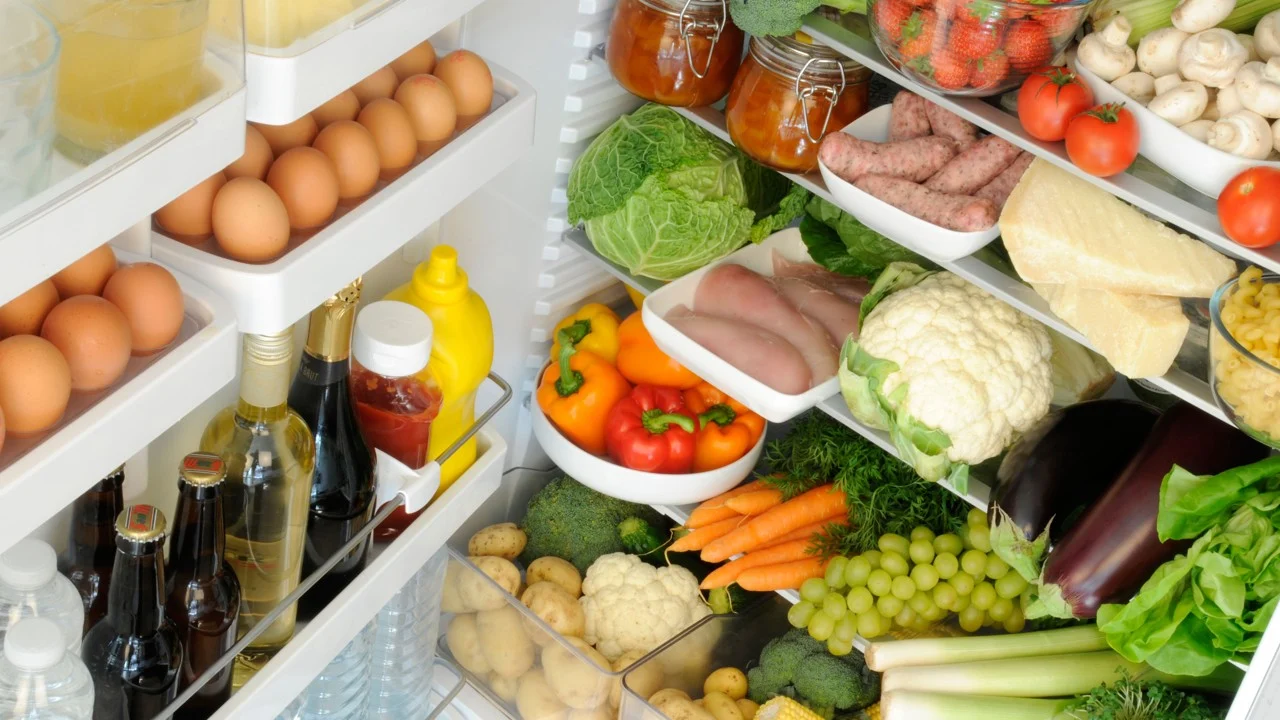
We have all been there: you return from the farmers’ market with a haul of vibrant, crisp produce, only to find a bag of mushy greens and shriveled carrots just four days later. Food waste is not only frustrating for your kitchen creativity but also a hit to your monthly budget. Mastering the right vegetable storage tips is the ultimate secret to extending the life of your produce and ensuring your family enjoys peak nutrition. By understanding the unique environmental needs of different plants, you can easily keep your veggies fresh for 15 days or even longer, reducing waste and maximizing flavor.
1. The Golden Rule of Dryness
Moisture is the primary enemy of longevity. Before storing most vegetables, ensure they are completely dry. Even a small amount of residual water from washing can trigger mold growth and rapid decay within 48 hours. If you must wash early, use a salad spinner.
2. Utilize Breathable Produce Bags
Plastic bags trap ethylene gas and moisture, leading to “sweating.” Instead, use reusable mesh bags or organic cotton drawstring bags. These allow for proper air circulation, which is essential for keeping root vegetables and hardy greens crisp and vibrant for two full weeks.
3. Treat Herbs Like Fresh Flowers
Soft herbs like parsley, cilantro, and dill thrive when treated like a bouquet. Trim the stems and place them in a glass with an inch of water. Cover the tops loosely with a plastic bag and refrigerate; this method keeps them lively for up to 15 days.
4. Separate Ethylene Producers
Some vegetables, like tomatoes, release ethylene gas which acts as a ripening agent. Keeping these away from ethylene-sensitive items like broccoli, peppers, and leafy greens prevents premature spoilage. Organizing your fridge by “gas compatibility” is a game-changer for long-term freshness.
5. Revive Wilted Greens with Ice Water
If your kale or spinach starts to look a bit tired after a week, don’t toss it. Submerge the leaves in a bowl of ice-cold water for 20 minutes. The cells will rehydrate through osmosis, restoring that satisfying crunch and extending their usability.
6. Keep Potatoes in Dark, Cool Spaces
Light triggers chlorophyll production in potatoes, making them turn green and bitter. Store them in a burlap bag or a cardboard box in a cool, dark pantry. Avoid the fridge, as cold temperatures convert potato starches into sugars, ruining the texture.
7. Never Store Onions Near Potatoes
While they are often stored together in pantries, onions and potatoes are a bad match. Onions emit moisture and gases that cause potatoes to sprout faster. Keep them in separate bins with plenty of airflow to ensure both stay firm for weeks.
8. Wrap Celery in Aluminum Foil
This sounds like a “hack,” but it works perfectly. Wrapping celery tightly in tin foil allows the ethylene gas to escape while maintaining the right amount of moisture. This specific method can keep celery stalks remarkably crunchy for over 20 days.
9. The Paper Towel Method for Greens
For boxed salads or bagged spinach, tuck a clean paper towel inside the container. The towel absorbs excess condensation that naturally forms in the fridge. Replace the towel every few days to keep the environment dry and the leaves rot-free.
10. Store Carrots in Water
For the ultimate “snap,” peel your carrots (or leave them whole) and submerge them completely in a container of clean water in the fridge. Change the water every few days. This prevents dehydration, keeping them sweet and crunchy for weeks on end.
11. Avoid Refrigerating Whole Tomatoes
The cold air in a refrigerator breaks down the cellular structure of a tomato, resulting in a mealy, floury texture. Keep tomatoes on the counter out of direct sunlight. Only refrigerate them once they are fully ripe or have been sliced.
12. Trim the Tops Off Root Veggies
When you buy beets, radishes, or carrots with the green tops still attached, cut them off immediately. Those beautiful leaves actually draw moisture and nutrients away from the root, causing the vegetable to go soft much faster than it should.
13. Give Mushrooms Room to Breathe
Mushrooms have high water content and turn slimy in plastic wrap. Transfer them to a brown paper bag. The paper absorbs the moisture while allowing the mushrooms to breathe, keeping them firm and earthy for significantly longer than store packaging.
14. Asparagus Upright Storage
Similar to herbs, asparagus stays fresh when stored upright. Trim the bottoms and stand them in a jar with an inch of water. This prevents the tips from drying out or becoming woody, maintaining that tender-crisp texture for your evening meals.
15. The “Low Humidity” Crisper Drawer
Most refrigerators have adjustable vents. Set one drawer to “low humidity” for fruits and vegetables that rot easily, like peppers and squash. This allows gases to escape, preventing the “greenhouse effect” that leads to premature decomposition and mold.
16. Don’t Wash Until You’re Ready
While “meal prepping” is popular, washing all your vegetables on Sunday can lead to a soggy Friday. Only wash your produce right before you plan to cook or eat it. This simple habit preserves the natural protective coatings on the skin.
17. Store Garlic in Open Air
Garlic loves ventilation. Avoid keeping it in plastic or sealed containers. A wire basket on the counter or a mesh bag in the pantry is ideal. Proper airflow prevents the cloves from sprouting or developing the dreaded blue-green mold.
18. Use Lemon Juice on Cut Veggies
If you have half a bell pepper or a sliced cucumber left over, rub a little lemon juice on the exposed flesh or store it with a slice of onion. The acidity and sulfur compounds help prevent oxidation, keeping the edges from browning.
19. Blanch and Freeze Extra Hauls
If you realize you can’t eat everything within 15 days, blanch the veggies in boiling water for two minutes, hit them with an ice bath, and freeze. This locks in vitamins and flavor, extending their shelf life for months instead of days.
20. Inspect Your Produce Regularly
One “bad apple” really does spoil the bunch. Every few days, do a quick scan of your crisper drawer. Removing a single decaying leaf or a soft spot on a zucchini prevents the spread of bacteria to the rest of your stash.
SEO Meta Description
Learn the best vegetable storage tips to keep your produce fresh for 15 days. Reduce food waste and save money with these practical, easy-to-follow kitchen hacks.
Focus Keywords
- Vegetable storage tips
- Keep vegetables fresh
- Food waste reduction
- Refrigerator organization
- Fresh produce hacks
- Storing leafy greens
- Long-term vegetable care
FAQ Section
Q: Can I store all vegetables in the refrigerator? A: No. Some vegetables, like potatoes, onions, and garlic, prefer cool, dark pantries. Refrigerating them can actually ruin their flavor and texture.
Q: Why do my cucumbers get mushy so fast? A: Cucumbers are sensitive to cold and ethylene gas. Store them in the front of the fridge (the warmest part) and away from bananas or tomatoes to prevent softening.
Q: How often should I clean my crisper drawer? A: You should wipe it down once a week. Residual bacteria from old produce can migrate to fresh veggies, accelerating the spoilage process.
Internal Linking Suggestions
- The Ultimate Guide to Meal Prepping for Beginners: How to prep the veggies you’ve just stored.
- 10 Seasonal Recipes to Use Up Your Crisper Drawer: Ideas for when your 15 days are almost up.
- Kitchen Organization 101: Maximizing your pantry and fridge space for efficiency.
Conclusion
Mastering these vegetable storage tips is the secret to a more sustainable and delicious kitchen. By simply adjusting how you handle moisture, airflow, and temperature, you can easily keep your veggies fresh for 15 days. Not only does this save you money by cutting down on grocery trips, but it also ensures you are eating the most nutrient-dense food possible. Start implementing these small changes today and watch your produce thrive!
Leave a Reply