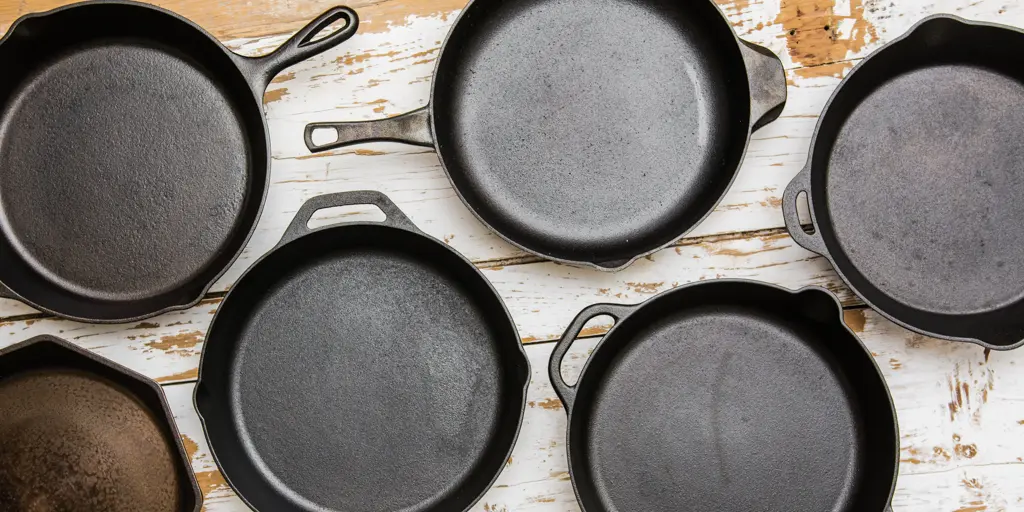
There is something almost poetic about a well-seasoned iron wok. It is the heart of the kitchen, capable of producing that elusive wok hei—the breath of a wok—that defines authentic stir-fry. However, owning one comes with a responsibility that intimidates many home cooks. Mastering Cast Iron Care: How to Keep Your Iron Wok Clean and Like New is not just about aesthetics; it is about preserving a tool that can last generations. By understanding the unique chemistry of iron and oil, you can maintain a non-stick surface that improves with every meal. Let’s dive into the essential steps for maintaining your culinary powerhouse.
1. The Importance of Initial Seasoning
Before your first stir-fry, you must create a foundation. New iron woks often come with a protective factory oil. Scrub this off with hot soapy water, dry it completely, and apply a thin layer of high-smoke-point oil to create your first polymer bond.
2. Choosing the Right Oil
Not all fats are equal for cast iron care. Use oils with high smoke points like grapeseed, peanut, or canola oil. These fats break down at high heat to form a hard, plastic-like coating known as seasoning, which protects the metal from moisture.
3. The “Thin Layer” Rule
When applying oil for maintenance, less is always more. A thick layer of oil will become sticky and gummy rather than hard and smooth. Use a paper towel to buff the oil into the iron until the surface looks almost dry before heating.
4. Cleaning Immediately After Use
Don’t let your wok sit in the sink. The best time to clean an iron wok is while it is still warm. Residual heat helps loosen food particles, making it easier to rinse away debris without needing harsh chemicals or excessive scrubbing.
5. Avoiding the Dishwasher
The golden rule of cast iron care is to keep it far away from the dishwasher. The intense heat and harsh detergents will strip away your hard-earned seasoning and leave the raw iron vulnerable to immediate oxidation and rust.
6. Using a Bamboo Brush
Authentic wok cleaning often involves a specialized bamboo brush. These stiff fibers effectively scrape away stuck-on noodles or rice without gouging the seasoned surface. It is a gentle yet firm way to maintain the integrity of the wok’s “patina.”
7. Dealing with Stuck Food
If you have stubborn burnt bits, fill the wok with an inch of water and bring it to a boil. The steam and bubbling water will loosen the carbonized food, allowing you to wipe it away effortlessly with a soft sponge.
8. The Myth of Soap
While many believe soap is the enemy, a tiny drop of mild dish soap won’t hurt a well-seasoned wok. Modern soaps are gentler than the lye-based cleaners of the past. However, use it sparingly and only when the wok feels excessively greasy.
9. Drying is Non-Negotiable
Water is the primary enemy of iron. After rinsing, never “air dry” your wok. Use a lint-free towel to wipe it down, then place it on a stove burner over medium heat for a minute to ensure every microscopic drop of moisture evaporates.
10. The Post-Clean Oil Buff
Once the wok is bone-dry and warm from the stove, apply a tiny drop of oil. Wipe it all over the interior surface. This “maintenance seasoning” fills in any microscopic gaps in the coating and prevents rust while the wok is in storage.
11. Storing in a Dry Place
Humidity can cause rust even if the wok is dry to the touch. Store your wok in a well-ventilated cupboard. If you stack your pans, place a paper towel inside the wok to protect the surface and absorb any ambient moisture.
12. Removing Rust Spots
If you see orange spots, don’t panic. Use a bit of steel wool or a salt scrub to remove the rust until you see the gray metal. Immediately re-season that area to seal the iron back up and prevent further corrosion.
13. The Salt Scrub Technique
For a deep clean without water, pour coarse kosher salt into a dry wok and scrub with a paper towel. The salt acts as a gentle abrasive to smooth out the seasoning and remove odors without stripping the protective layer.
14. Understanding the Patina
A “like new” iron wok shouldn’t actually look new; it should look dark and matte. This dark color, or patina, is proof of a healthy seasoning. Embrace the darkening of the metal as it indicates better non-stick performance.
15. Avoiding Acidic Foods
At least in the beginning, avoid simmering highly acidic foods like tomatoes or vinegar in your wok. The acid can eat away at a young seasoning layer, leading to a metallic taste in your food and a patchy surface.
16. Cooking Frequency Matters
The best way to care for your iron wok is to use it. Every time you stir-fry with oil, you are adding a micro-layer of seasoning. A wok used daily is much easier to maintain than one used once a month.
17. Identifying Seasoning “Flakes”
If you see black flakes in your food, your seasoning is either too thick or has burnt food trapped underneath. Scrub the area down vigorously and re-season. It’s a sign that the oil didn’t polymerize correctly on the metal.
18. Handling High Heat
Iron woks love heat, but extreme temperature shocks can cause warping. Avoid taking a smoking hot wok and plunging it into cold water. Let it cool naturally for a minute before starting the cleaning process with warm water.
19. Using Metal Utensils
One benefit of iron over Teflon is that you can use metal spatulas. In fact, a metal wok spatula can help keep the surface smooth by gently scraping down high spots in the seasoning during the cooking process.
20. Restoring a Stripped Wok
If your wok becomes grey or dull, it’s time for a “reset.” Give it a thorough scrub, apply a very thin layer of flaxseed or grapeseed oil, and bake it upside down in an oven at 450°F for one hour.
SEO Meta Description
Learn the best tips for Cast Iron Care: How to Keep Your Iron Wok Clean and Like New. Master seasoning, cleaning, and rust prevention for a lifetime of cooking.
Focus Keywords
- Cast iron care
- Iron wok maintenance
- How to clean a wok
- Wok seasoning tips
- Prevent wok rust
- Non-stick iron wok
FAQ Section
Q: Can I use steel wool on my iron wok? A: Use steel wool only if you need to remove rust or are starting the seasoning process over. For daily cleaning, a soft sponge or bamboo brush is much better for preserving the patina.
Q: Why is my iron wok turning black? A: Turning black is actually a good thing! It means you are building up a strong layer of carbonized oil (seasoning), which makes the wok naturally non-stick and protects it from rust.
Q: How often should I season my wok? A: You should perform a “maintenance season” (a light wipe of oil after drying) after every use. A full oven-based seasoning is only necessary if the food starts sticking or the surface looks dull.
Internal Linking Suggestions
- The Ultimate Guide to Wok Hei: Discover how to achieve smoky restaurant flavors at home.
- Best Oils for High-Heat Cooking: A deep dive into smoke points and flavor profiles.
- Essential Asian Kitchen Tools: Beyond the wok, what do you really need for stir-fry success?
Conclusion
Maintaining an iron wok is a rewarding ritual that connects you to your cookware. By following these steps for Cast Iron Care: How to Keep Your Iron Wok Clean and Like New, you ensure that your wok remains a high-performance tool for decades. Remember: keep it dry, keep it oiled, and keep it cooking. With just a little consistent effort, your wok will only get better, smoother, and more non-stick with age.
Leave a Reply