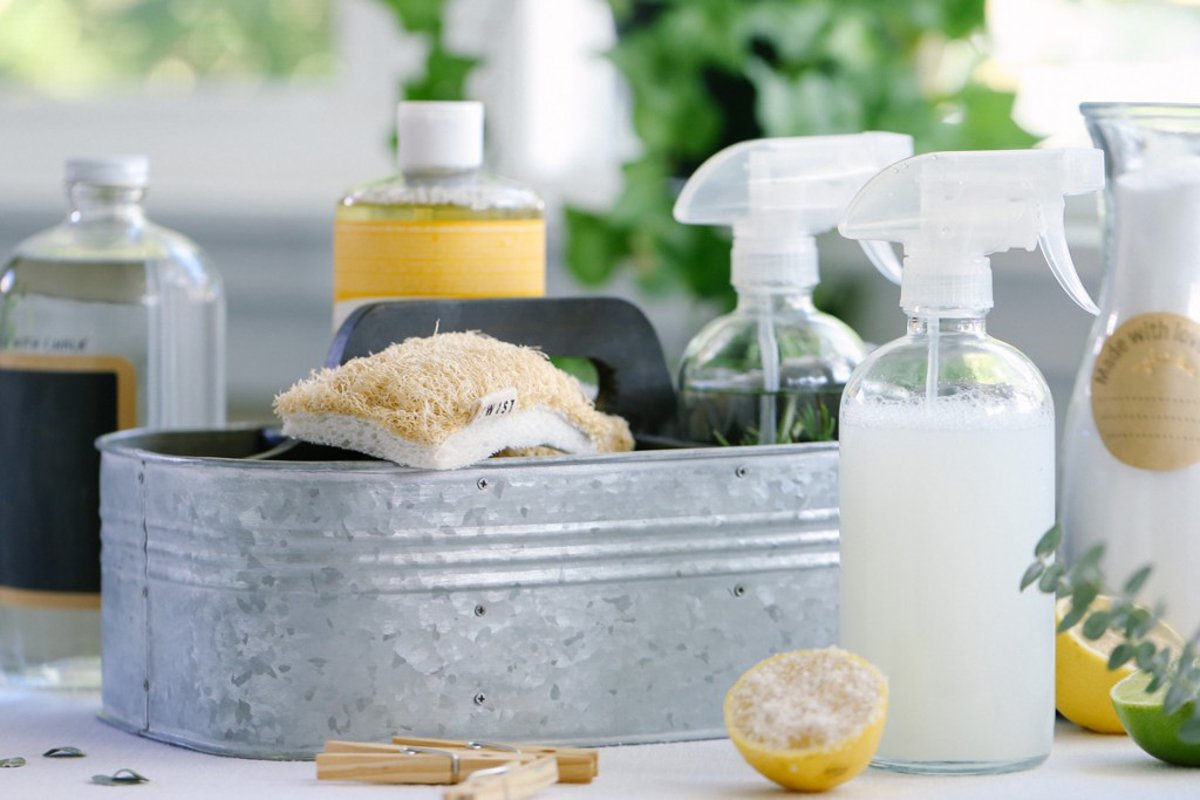
Maintaining a pristine cooking environment shouldn’t require a cabinet full of harsh, synthetic chemicals. If you are looking for a safer, eco-friendly alternative, natural cleaning hacks: cleaning the kitchen with vinegar and baking soda offer a powerful solution. This dynamic duo relies on a simple chemical reaction to tackle everything from stubborn grease to limescale. By using these pantry staples, you can effectively sanitize your surfaces while keeping your home free of toxic fumes. Whether you are a professional chef or a home cook, mastering these green cleaning techniques ensures your kitchen remains a healthy space for meal preparation.
1. The Science of the Fizz
When you combine acidic white vinegar with alkaline baking soda, they produce carbon dioxide gas. This bubbling action physically lifts dirt and grime from surfaces. It is an effective, non-toxic way to break down organic matter without using corrosive commercial cleaners.
2. Refreshing Your Kitchen Sink
To deep clean your stainless steel or porcelain sink, sprinkle baking soda liberally over the surface. Use a damp sponge to scrub, then rinse with vinegar. The reaction removes water spots and sanitizes the basin, leaving a brilliant, streak-free shine behind.
3. Deodorizing the Garbage Disposal
Smelly drains are no match for this combination. Pour half a cup of baking soda down the disposal, followed by a cup of white vinegar. Let it sit for ten minutes while it fizzes, then flush with boiling water to eliminate bacteria and odors.
4. Cutting Through Stovetop Grease
Grease splatters can be incredibly stubborn. Apply a paste made of baking soda and a little water to the affected areas. Spray the paste with vinegar and let it sit for fifteen minutes. The bubbling action loosens the grease, allowing you to wipe it away effortlessly.
5. Deep Cleaning the Oven Interior
Skip the high-heat self-clean cycle and its toxic fumes. Coat the oven walls in a thick baking soda paste overnight. In the morning, spray with vinegar to loosen the softened grime. Scrub gently to reveal a clean oven without using any caustic chemicals.
6. Removing Hard Water Stains on Faucets
Limescale buildup around faucets can look unsightly. Soak a cloth in white vinegar and wrap it around the fixture, securing it with a rubber band. After an hour, scrub the remaining residue with a toothbrush and a pinch of baking soda for a polished finish.
7. Sanitizing Wooden Cutting Boards
Wood is porous and can trap food particles. Sprinkle baking soda over the board and spray it with vinegar. This bubbling mixture draws out impurities. Rinse with warm water and dry thoroughly to keep your food preparation surfaces safe and sanitary.
8. Clearing Slow-Moving Drains
Before calling a plumber, try a natural approach. Pour a cup of baking soda down the drain followed by a cup of hot vinegar. Cover the drain to force the pressure downward. This often clears minor clogs caused by soap scum or food debris.
9. Cleaning the Inside of the Dishwasher
Remove buildup and odors by placing a bowl of vinegar on the top rack of an empty dishwasher and running a hot cycle. Follow this by sprinkling baking soda on the bottom and running a short cycle to brighten the interior and remove stains.
10. Polishing Glass and Mirrors
For a streak-free kitchen window or microwave door, mix equal parts water and vinegar in a spray bottle. Wipe with a microfiber cloth. If there is sticky residue, a tiny bit of baking soda on a damp cloth will act as a gentle abrasive.
11. Revitalizing Plastic Containers
Tomato sauce often leaves orange stains on plastic. Create a paste of baking soda and water, apply it to the stains, and let it sit for several hours. Rinse with a splash of vinegar to neutralize odors and lift the stubborn discoloration.
12. Brightening Tile Grout
Grout can darken over time due to spills and foot traffic. Apply a baking soda paste to the grout lines and spray with vinegar. Scrub with a stiff brush after the fizzing stops to lift embedded dirt and restore the original color.
13. Cleaning the Microwave Naturally
Steam is your best friend here. Place a bowl of water and vinegar inside the microwave and run it for five minutes. The steam loosens dried food. For stuck-on bits, use a touch of baking soda on a sponge to scrub them away.
14. Removing Tea and Coffee Stains
Mugs often develop brown rings that dish soap won’t touch. Sprinkle baking soda into the wet mug and scrub. The mild abrasive property of the soda removes the tannins, while a vinegar rinse ensures the ceramic is sanitized and shiny.
15. Degreasing Range Hood Filters
Range hood filters trap a significant amount of airborne grease. Soak the metal filters in a sink filled with boiling water, baking soda, and a cup of vinegar. The solution breaks down the sticky oils, making them much easier to rinse clean.
16. Cleaning the Refrigerator Shelves
Empty your fridge and wipe the shelves with a mixture of vinegar and water. For dried-on spills, use baking soda as a gentle scouring powder. This method is food-safe, ensuring no chemical residue comes into contact with your fresh ingredients.
17. Descaling the Electric Kettle
Mineral deposits can slow down your kettle. Fill it with equal parts water and vinegar, bring it to a boil, and let it sit for twenty minutes. Rinse thoroughly. This keeps the heating element efficient and your tea tasting fresh.
18. Freshening the Air Naturally
Vinegar is an excellent odor neutralizer. Simmer a small pot of water and vinegar on the stove after cooking fish or onions. The acetic acid bonds with volatile odor molecules, effectively “clearing” the air without the need for synthetic fragrances.
19. Cleaning Toaster Crumb Trays
After emptying the crumbs, wipe the tray with a cloth dampened with vinegar. If there are burnt-on spots, a quick scrub with a baking soda paste will lift them without scratching the metal surface of your kitchen appliances.
20. Maintaining Your Coffee Maker
Run a cycle with half water and half vinegar to remove calcium deposits from the internal plumbing. Follow this with two cycles of plain water. This ensures your coffee tastes better and your machine lasts much longer.
SEO Meta Description: Discover the best natural cleaning hacks: cleaning the kitchen with vinegar and baking soda. Learn how to degrease, deodorize, and sanitize your home safely and effectively.
Focus Keywords:
- Natural cleaning hacks
- Vinegar and baking soda cleaning
- Eco-friendly kitchen cleaning
- Non-toxic kitchen cleaners
- Baking soda grease removal
- Cleaning with white vinegar
- DIY kitchen cleaners
FAQ Section:
Q: Can I mix vinegar and baking soda in a closed bottle? A: No. The reaction produces carbon dioxide gas which can build up pressure and cause a container to burst. It is best to apply them sequentially or mix them in an open bowl.
Q: Is vinegar safe for granite countertops? A: No, vinegar is acidic and can etch natural stone like granite or marble. Use only pH-neutral cleaners or a very diluted baking soda solution for stone surfaces.
Q: Does vinegar actually kill bacteria? A: Vinegar has antimicrobial properties and can kill many common household pathogens, though it is not classified as a hospital-grade disinfectant. It is excellent for general household sanitization.
Internal Linking Suggestions:
- 10 Essential Pantry Staples for Every Home Cook
- How to Properly Season and Clean Your Cast Iron Skillet
- Sustainable Kitchen Habits: Reducing Food Waste and Plastic Use
Conclusion
Embracing natural cleaning hacks: cleaning the kitchen with vinegar and baking soda is a game-changer for any household. Not only are these methods incredibly cost-effective, but they also prioritize the health of your family and the environment. By replacing harsh chemicals with these versatile pantry items, you can achieve a professional level of cleanliness and shine. Start small by refreshing your sink today, and you’ll soon see why these traditional methods remain the gold standard.
Leave a Reply