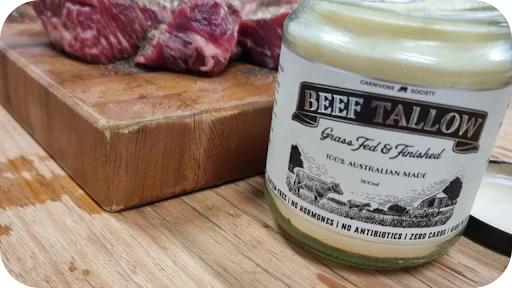

For decades, animal fats were pushed to the back of the pantry, replaced by highly processed vegetable oils. However, the culinary world is witnessing a massive shift as we rediscover the roots of traditional cooking. So, what is beef tallow? Simply put, it is rendered fat from cattle, specifically processed to remove impurities. Unlike the liquid oils that dominate modern supermarket shelves, tallow is solid at room temperature and boasts a rich, savory profile. As people prioritize whole foods and sustainable eating, this ancestral staple is making a triumphant return to kitchens, offering unparalleled flavor and impressive nutritional benefits.
1. The Rendering Process
Beef tallow is created by slowly heating suet—the hard white fat found around the kidneys and loins of cattle. This melting process separates the pure liquid fat from any connective tissue or water. Once cooled, it becomes a shelf-stable, creamy solid.
2. High Smoke Point Advantages
One of the primary reasons chefs love tallow is its high smoke point of approximately 200°C (400°F). This means it doesn’t break down into harmful free radicals or toxic fumes when used for high-heat searing, sautéing, or deep-frying.
3. Distinctive Flavor Profile
Unlike neutral-tasting seed oils, beef tallow adds a subtle, savory depth to dishes. It carries a mild “beefy” essence that enhances the natural flavors of steaks and roasted vegetables without overpowering the other ingredients in your recipe.
4. Rich in Fat-Soluble Vitamins
Tallow is a powerhouse of nutrients, containing significant amounts of vitamins A, D, E, and K. These fat-soluble vitamins are essential for immune function and bone health, and they are more easily absorbed by the body when consumed with healthy fats.
5. Source of Conjugated Linoleic Acid (CLA)
High-quality tallow, especially from grass-fed cattle, is rich in CLA. This fatty acid has been studied for its potential anti-inflammatory properties and its ability to support metabolic health, making it a functional fat choice for wellness-conscious cooks.
6. The Superior Choice for Crispy Fries
Ever wonder why vintage fast-food fries tasted better? They were often fried in beef tallow. Its unique fatty acid structure creates a perfectly crisp, golden exterior on potatoes while keeping the inside fluffy, a feat hard to replicate with vegetable oil.
7. Bioavailability of Nutrients
The fats found in tallow are highly bioavailable, meaning your body can use them efficiently for energy and cellular repair. Because it mimics the fatty acid profile of human cell membranes, it is often viewed as a “biocompatible” fuel source.
8. A Sustainable Cooking Option
Using tallow is a cornerstone of “nose-to-tail” eating. By utilizing the fat that might otherwise go to waste, we honor the whole animal and reduce the environmental impact associated with the industrial production of chemically refined seed oils.
9. Natural Shelf Stability
Because beef tallow is primarily composed of saturated and monounsaturated fats, it is highly resistant to oxidation. This makes it naturally shelf-stable for months, even without refrigeration, provided it is kept in a cool, dark, and dry place.
10. Perfect for Flaky Pastries
In baking, tallow can be used as a substitute for shortening or lard. It creates incredibly flaky pie crusts and savory biscuits. Its firm texture at room temperature ensures that dough stays layered and light during the baking process.
11. Support for Gut Health
Traditional fats like tallow are easy on the digestive system. They provide the necessary building blocks for the gut lining and help in the absorption of nutrients from the vegetables you cook, supporting overall digestive wellness and metabolic function.
12. Free from Industrial Processing
Unlike canola or soybean oils, which require high heat, chemical solvents, and bleaching agents, tallow is a “clean” fat. The extraction process is purely mechanical and thermal, ensuring no nasty chemical residues end up in your food.
13. Excellent for Seasoning Cast Iron
Beef tallow is an ideal medium for seasoning cast iron skillets. Its high smoke point and ability to polymerize create a natural, non-stick surface that improves with every use, protecting your cookware from rust and wear.
14. Skincare and Topical Benefits
Tallow isn’t just for eating; it’s an ancient skincare secret. Rich in palmitoleic acid and stearic acid, it deeply moisturizes the skin. Many modern artisanal brands are now using tallow as a base for balms and healing salves.
15. Stability in Slow Cooking
When used in stews or braises, tallow remains stable over long periods. It helps emulsify sauces and adds a luxurious mouthfeel to the broth, ensuring your slow-cooked meals feel hearty and satisfying rather than watery or thin.
16. Sourcing Grass-Fed Tallow
For the best nutritional profile, look for “grass-fed and finished” beef tallow. Grass-fed cattle produce fat with higher levels of Omega-3 fatty acids and antioxidants compared to grain-fed counterparts, offering a more balanced lipid profile.
17. Cost-Effectiveness in the Kitchen
A little goes a long way with beef tallow. Because of its density and rich flavor, you often need less of it than you would liquid oil, making it a cost-effective choice for families looking to cook healthy meals.
18. Choline Content for Brain Health
Tallow contains small amounts of choline, a nutrient vital for brain development and neurotransmitter function. Incorporating traditional fats into a balanced diet can help ensure you’re getting a wide spectrum of essential micronutrients for cognitive health.
19. Historical Culinary Context
Throughout human history, animal fats were the primary cooking medium. From the pemmican of Native Americans to the classic French confit, tallow has been a culinary pillar that allowed civilizations to store energy and create delicious, nutrient-dense meals.
20. Versatility Across Cuisines
Whether you’re making a traditional British Sunday roast, Mexican carnitas, or simply searing a steak, tallow fits perfectly. Its versatility across different cuisines makes it a must-have staple for any adventurous home cook looking for authentic results.
SEO Meta Description: Discover what is beef tallow and why this traditional animal fat is making a comeback. Learn about its health benefits, high smoke point, and culinary uses today.
Focus Keywords:
- What is beef tallow
- Traditional animal fats
- Health benefits of tallow
- Cooking with tallow
- Grass-fed beef tallow
- Tallow vs vegetable oil
FAQ Section:
Q: Does beef tallow need to be refrigerated? A: While tallow is shelf-stable at room temperature for several months, keeping it in the refrigerator can extend its life for up to a year and prevent any potential spoilage from moisture.
Q: Is beef tallow healthier than seed oils? A: Many nutritionists argue that tallow is superior because it is less processed and more stable at high temperatures, whereas seed oils can oxidize and cause inflammation when heated.
Q: Can I make my own beef tallow at home? A: Yes! You can buy beef fat (suet) from a local butcher and render it in a slow cooker or on the stove over very low heat until it melts and clarifies.
Internal Linking Suggestions:
- The Ultimate Guide to Choosing the Best Cooking Oils – Comparing tallow to olive oil and butter.
- Nose-to-Tail Eating: A Beginner’s Guide – Exploring the sustainability of using all parts of the animal.
- How to Season and Care for Cast Iron Cookware – A deep dive into using animal fats for pan maintenance.
Conclusion
The resurgence of beef tallow marks a shift toward mindful, traditional eating. By understanding what is beef tallow and its myriad of benefits, you can elevate your cooking while supporting your health and the environment. Whether you’re seeking the perfect crispy potato or a nutrient-dense fat for searing, tallow is a versatile, stable, and delicious choice. It’s time to move past the myths of the last century and embrace this timeless culinary treasure.