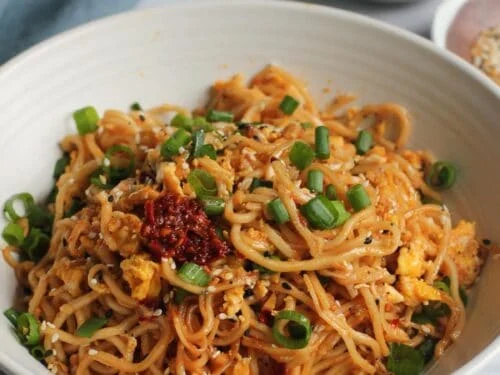

If you have been scrolling through social media lately, you have likely seen the fiery, glossy allure of Korean noodles. But let’s be honest: sometimes our South Asian palates crave that extra punch of masala that local fusion provides. Making Desi Style Korean Ramen is the perfect way to marry the chewy texture of instant noodles with the bold, aromatic spices of a home kitchen. Whether you are a fan of Samyang or just looking to upgrade a packet of Maggi, this guide will show you how to create a mouthwatering, spicy fusion bowl that hits every taste bud.
1. The Magic of Fusion Flavors
Combining Korean heat with Desi spices creates a complex profile. While Korean ramen relies on Gochujang (red chili paste) for fermented sweetness, adding a pinch of roasted cumin or garam masala bridges the gap between East and South Asian cuisines beautifully.
2. Choosing the Right Noodle Base
For an authentic feel, choose thick, chewy noodles. Korean brands like Shin Ramyun or Buldak work best because they don’t get mushy. If you are using local noodles, cook them for one minute less than the package instructions to maintain a “bite.”
3. The Power of Sautéed Aromatics
Start your ramen with a base of finely chopped garlic, ginger, and green chilies sautéed in butter. This is the foundation of the Desi flavor profile. The sizzling garlic infuses the oil, ensuring every strand of noodle is coated in a fragrant, savory essence.
4. Incorporating the Desi Tadka
A traditional tadka or tempering can elevate instant ramen instantly. Heating oil with mustard seeds, curry leaves, and a dried red chili to pour over your finished noodles adds a smoky, nutty layer that makes the dish feel like a gourmet home-cooked meal.
5. Balancing the Heat Levels
Korean ramen is notoriously spicy. To manage this without losing flavor, balance the heat by adding a teaspoon of honey or brown sugar. This mimics the sweetness found in Korean sauces while complementing the earthy spices of Pakistani or Indian cooking.
6. Using Fresh Vegetables for Crunch
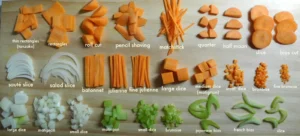
Don’t settle for just noodles. Add thinly sliced bell peppers, carrots, and spring onions. Sautéing them briefly ensures they retain a crunch, providing a necessary textural contrast to the soft noodles and the rich, spicy sauce you are building.
7. The Secret Ingredient: Soy Sauce and Turmeric
It sounds unusual, but a dash of turmeric added to the soy sauce base creates a vibrant golden-red hue. The turmeric provides an anti-inflammatory boost and an earthy depth that resonates with the traditional Desi palate while keeping the Asian aesthetic.
8. Creamy Desi Ramen Hack
For a “Pink Sauce” or creamy texture, add a tablespoon of heavy cream or full-fat yogurt at the end. This mellows the sharp spice of the Korean seasoning and creates a silky mouthfeel that is incredibly popular in modern fusion street food.
9. Elevating Protein with Shami Kabab
Want to make it a full meal? Crumble a pre-cooked Shami kabab or add leftover shredded tandoori chicken on top. The smoky, spiced meat pairs perfectly with the spicy ramen broth, making the dish feel substantial and protein-packed.
10. Achieving the Perfect Broth Consistency
Some prefer “dry” noodles, while others love a soupy broth. For Desi Style Korean Ramen, a “semi-dry” consistency is best. Let the water reduce until it becomes a thick glaze that clings to the noodles, intensifying the spices in every bite.
11. The Role of Vinegar and Lime
A squeeze of fresh lime or a teaspoon of synthetic vinegar at the very end brightens the entire dish. Acidity cuts through the fat of the butter and the intensity of the chilies, making the flavors “pop” and preventing the dish from feeling too heavy.
12. Adding an Egg for Richness
A classic ramen staple is the soft-boiled egg. For a Desi twist, try a “Masala Omelet” strip or a fried egg seasoned with black pepper and chili flakes. The runny yolk acts as a natural sauce, adding creaminess to the spicy noodles.
13. Mastering the One-Pot Method
To save time and lock in flavor, cook everything in one pot. Boil the noodles in less water than usual, adding the seasonings and vegetables halfway through. This ensures the noodles absorb the flavored liquid rather than just sitting in plain water.
14. Garnish Like a Pro
Garnishing is where the fusion truly shines. Use a mix of toasted sesame seeds (Korean) and fresh coriander (Desi). This visual contrast tells your brain you are about to eat something unique, fresh, and thoughtfully prepared.
15. The Importance of Toasted Sesame Oil
Even in a Desi fusion dish, a few drops of toasted sesame oil at the end are non-negotiable. It provides that signature “nutty” aroma that defines Korean cuisine, lingering under the more dominant spices like chili and cumin.
16. Using Leftover Salan Gravy
A pro tip for ultimate flavor is adding two tablespoons of leftover chicken or meat salan (curry) gravy to your ramen water. This infuses the noodles with a deep, slow-cooked meat flavor that instant packets simply cannot replicate.
17. Adjusting Salt Carefully
Instant ramen packets and soy sauce are already high in sodium. When adding your own Desi spices, avoid adding extra salt until the very end. Taste the broth first to ensure it hasn’t become overly salty during the reduction process.
18. Serving Suggestions
Serve your spicy noodles in a deep ceramic bowl. The heat retention of the bowl keeps the noodles at the optimal temperature. Pair it with a cold glass of mint lemonade or lassi to soothe the palate after the spicy kick.
SEO Meta Description
Learn how to make the ultimate Desi Style Korean Ramen at Home. A spicy, fusion noodle recipe combining bold Desi spices with classic Korean heat. Perfect for a quick meal!
Focus Keywords
- Desi Style Korean Ramen
- Spicy Noodles Recipe
- Fusion Ramen At Home
- Korean Ramen Hack
- Spicy Desi Noodles
- Instant Ramen Upgrade
FAQ Section
Q: Can I use regular Maggi for this recipe? A: Yes! You can use any instant noodles. Just adjust the cooking time so they don’t get too soft, and add extra chili flakes and soy sauce to mimic the Korean flavor profile.
Q: How do I make the ramen less spicy? A: To reduce the heat, use only half of the provided spice packet and add a dollop of cream, cheese, or peanut butter to the sauce. This neutralizes the capsaicin.
Q: Is Korean Ramen vegetarian? A: Some brands are, but many contain seafood or beef extracts. Always check the label. If you are making it Desi style, you can use vegetable broth and tofu for a 100% vegetarian version.
Internal Linking Suggestions
- Article 1: 10 Quick 15-Minute Dinner Ideas for Busy Weeknights.
- Article 2: The Ultimate Guide to Homemade Chili Oil.
- Article 3: How to Level Up Your Instant Noodles with 5 Simple Pantry Staples.
Conclusion
Mastering Desi Style Korean Ramen is all about experimenting with the balance of heat, acidity, and umami. By combining the convenience of instant noodles with the soul-satisfying flavors of ginger, garlic, and local spices, you create a meal that is both trendy and comforting. It’s the ultimate comfort food for spice lovers. Give this fusion recipe a try tonight and transform your standard noodle bowl into a gourmet experience!