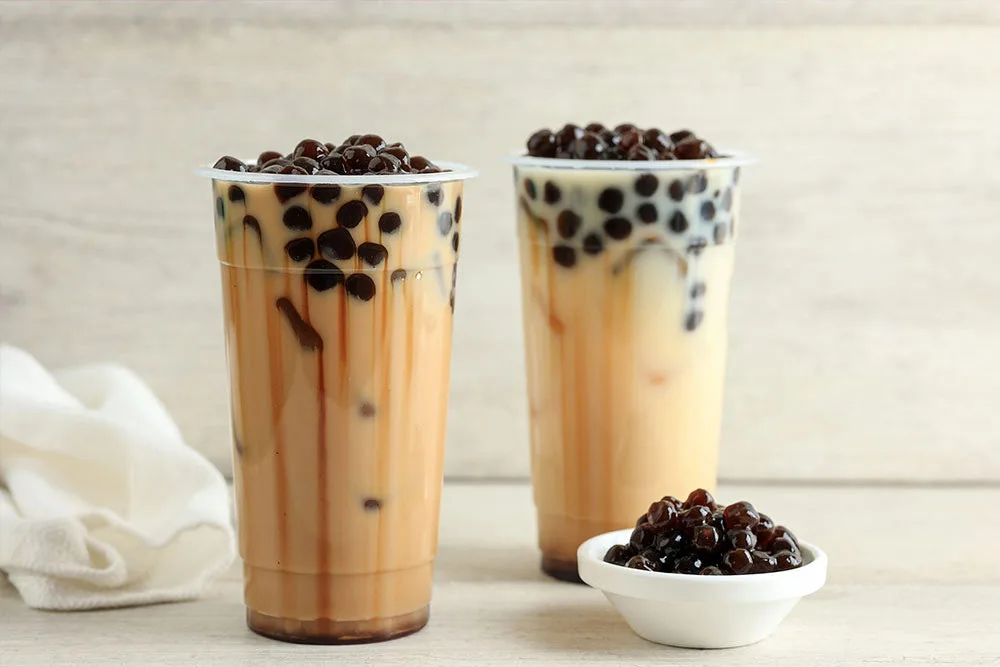
There is nothing quite like the refreshing, chewy satisfaction of a cold glass of boba on a warm afternoon. However, as prices at specialty shops continue to climb, many enthusiasts are looking for a more sustainable way to enjoy their favorite drink. Learning how to make homemade bubble tea is the ultimate game-changer for your wallet and your taste buds. By taking control of the ingredients, you can craft a beverage that is fresher, healthier, and significantly more affordable than the store-bought version. This guide will show you how to master the art of boba from the comfort of your kitchen.
1. The Cost Breakdown Comparison
Buying a single cup of boba can easily cost $6 to $8 today. When you make it at home, the cost per serving drops to under $1.50. Buying tapioca pearls and tea leaves in bulk provides massive savings over time.
2. Quality Control of Ingredients
Store-bought bubble tea often relies on powdered creamers and high-fructose corn syrup. At home, you choose the quality of your tea leaves and the purity of your milk, ensuring a cleaner taste without the hidden artificial additives or preservatives.
3. Customizing Your Sweetness Level
One of the best perks of DIY boba is controlling the sugar. While shops offer “half-sugar” options, they are often still quite sweet. You can use honey, agave, or stevia to create a drink that fits your dietary needs perfectly.
4. Choosing the Right Tea Base
The foundation of great bubble tea is a strong brew. Use loose-leaf black tea like Assam or Ceylon for a robust flavor. If you prefer something lighter, Jasmine green tea or roasted Oolong provides a floral and complex aromatic profile.
5. Mastering the Tapioca Pearl Texture
The “QQ” or chewy texture is essential. For the best results, boil your pearls until they are soft but resilient. Always perform a taste test at the 20-minute mark to ensure they haven’t become mushy or remained too hard in the center.
6. The Importance of the Sugar Soak
Once your pearls are cooked and drained, soak them in a simple syrup or brown sugar bath for at least 15 minutes. This prevents the pearls from sticking together and infuses them with sweetness so they aren’t bland when chewed.
7. Exploring Dairy-Free Alternatives
Commercial shops often charge extra for alternative milks. At home, you can use creamy oat milk, coconut milk, or almond milk at no extra cost. Oat milk is particularly popular because its neutral, creamy profile mimics traditional dairy exceptionally well.
8. Making Fruit-Based Bubble Tea
If you prefer fruity flavors, blend fresh mango, strawberries, or lychee into your tea. This provides a vibrant, natural flavor that far surpasses the artificial fruit syrups used in many fast-food boba establishments.
9. Using Real Brown Sugar Syrup
To achieve those beautiful “tiger stripes” on the side of your glass, simmer dark brown sugar with a little water until it becomes a thick, tacky syrup. Drizzle it along the inner walls of the glass before adding your tea.
10. The Secret to Temperature Balance
To prevent your boba from hardening, never add ice directly onto the warm pearls. Add the pearls first, then the syrup, then the cold tea and milk. Finally, add the ice on top to keep the drink chilled without freezing the pearls.
11. Proper Storage for Freshness
Tapioca pearls have a short shelf life once cooked—usually only about four hours. To keep them fresh for an afternoon, store them at room temperature in their sugar syrup. Avoid refrigerating cooked pearls, as they will turn rock-hard quickly.
12. Investing in Reusable Boba Straws
Since you are making boba at home, it’s the perfect time to go eco-friendly. Wide-diameter glass or stainless steel straws are inexpensive and make the drinking experience feel more authentic while reducing the plastic waste typical of takeout orders.
13. Brewing Concentrated Tea
To ensure the tea flavor isn’t diluted by milk and ice, brew your tea twice as strong as you normally would. Use two tea bags or a double portion of loose leaves to ensure the tea’s character shines through.
14. Adding Cheese Foam Toppings
You can replicate the “cheese tea” trend by whipping together cream cheese, heavy cream, and a pinch of salt. Layering this savory, creamy foam over a cold peach or green tea adds a gourmet touch to your homemade creation.
15. Experimenting with Topping Varieties
Boba isn’t the only option! Try making grass jelly, popping boba, or even aloe vera cubes. Making these at home allows you to experiment with textures that many shops might not even have on their current seasonal menus.
16. The Health Benefits of Matcha Boba
For a caffeine boost with antioxidants, use high-quality ceremonial or culinary grade matcha. Whisk the powder with warm water until frothy before adding it to your milk and boba for a vibrant, earthy, and energizing treat.
17. Creating a Boba Bar for Guests
Hosting a DIY boba bar is a fun and interactive party idea. Prepare a few different tea bases and a variety of milks and toppings, allowing your guests to customize their own signature drinks for a fraction of the cost.
18. Perfecting the Shake Technique
Professional baristas shake their milk tea with ice to create a light, frothy texture and ensure it is perfectly chilled. Use a cocktail shaker or a mason jar to give your homemade tea that signature professional aeration.
19. Understanding Cooking Times
Different brands of tapioca pearls require different cooking times. “Quick-cook” pearls take 5 minutes, while traditional ones can take 30. Always read the package, but rely on your own taste test to find that perfect, soft, chewy consistency.
20. Why Homemade is Environmentally Friendly
By making your own bubble tea, you eliminate the need for single-use plastic cups, plastic heat-sealed lids, and disposable straws. It is a small but significant way to enjoy your favorite treat while being more conscious of your carbon footprint.
SEO Meta Description
Discover how to make delicious homemade bubble tea that is better and cheaper than the shop. Save money and customize your boba with this easy DIY guide.
Focus Keywords
- Homemade bubble tea
- DIY boba recipe
- Tapioca pearls
- Milk tea at home
- Healthy boba ingredients
- Brown sugar boba
FAQ Section
Q: Can I make boba pearls from scratch? A: Yes! You can make pearls using just tapioca starch and boiling water (often mixed with brown sugar). It takes more time but ensures the freshest possible texture.
Q: How long do uncooked tapioca pearls last? A: Unopened packages last for months. Once opened, store them in an airtight container in a cool, dry place. Do not refrigerate uncooked pearls as moisture can ruin them.
Q: Why do my pearls get hard in the middle? A: This usually means they haven’t been boiled long enough or they were added to water that wasn’t yet boiling. Always ensure the water is at a rolling boil before adding pearls.
Internal Linking Suggestions
- The Best Teas for Milk Tea: A deep dive into black, green, and oolong varieties.
- Natural Sweeteners for Healthy Drinks: How to swap sugar for honey or maple syrup.
- 5 Easy Asian-Inspired Desserts: Perfect pairings for your homemade bubble tea.
Conclusion
Making homemade bubble tea is a rewarding skill that combines culinary creativity with significant financial savings. By choosing high-quality tea, controlling your sugar intake, and perfecting your pearl-cooking technique, you can easily outshine the local boba shop. Whether you prefer a classic brown sugar milk tea or a vibrant fruit blend, the DIY approach offers endless possibilities. Grab your pearls, brew a strong pot of tea, and start enjoying your custom boba today!
Leave a Reply