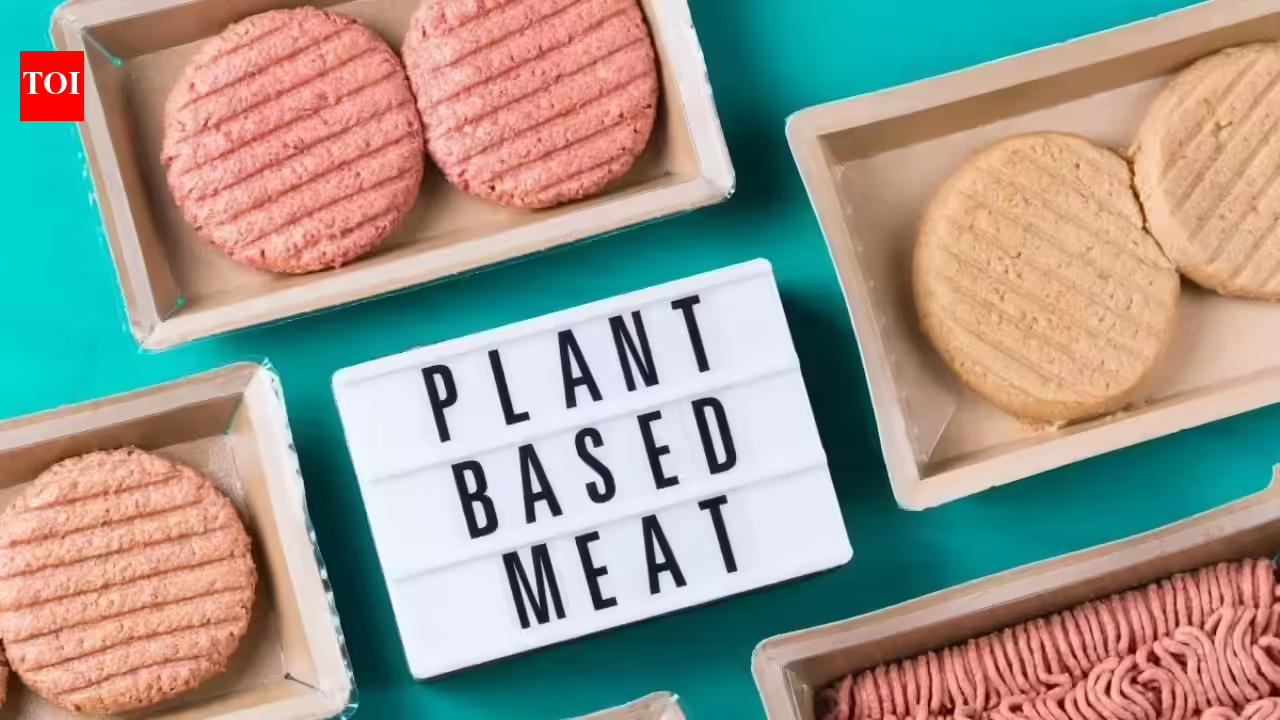
The culinary world is currently witnessing a massive shift as more people explore plant-based meat recipes to reduce their environmental footprint or improve their health. However, the million-dollar question remains: does it actually taste like the real thing? For years, veggie burgers were synonymous with dry bean patties, but modern food science has changed the game. Today’s meat alternatives aim to replicate the sizzle, the savory umami, and the fibrous texture of beef, chicken, and pork. Whether you are a lifelong vegan or a curious carnivore, understanding how these substitutes perform in the kitchen is key to a satisfying meal.
1. The Science of Umami
To make plant-based meat taste “real,” chefs focus on umami—the fifth basic taste. Ingredients like soy sauce, nutritional yeast, and sun-dried tomatoes are added to recipes to provide that deep, savory depth typically found in high-quality seared beef.
2. Mastering the Maillard Reaction
The Maillard reaction is the chemical process that browns meat and creates complex flavors. When cooking plant-based proteins, using a cast-iron skillet helps achieve that essential crust, mimicking the charred exterior of a traditional steak or burger.
3. Texture and the “Bite” factor
One of the biggest hurdles is texture. Manufacturers use extrusion technology to align plant proteins into fibers. In home recipes, ingredients like vital wheat gluten create a “chewy” texture that closely resembles the muscle fibers found in poultry.
4. The Role of Natural Fats
Real meat is juicy because of fat. To replicate this, high-quality plant-based recipes incorporate coconut oil or cocoa butter. These fats stay solid at room temperature but melt during cooking, providing that familiar “juicy” mouthfeel when you take a bite.
5. Liquid Smoke for BBQ Authenticity
If you miss the flavor of grilled ribs, liquid smoke is a secret weapon. A small drop in a lentil-based “pulled pork” recipe adds a nostalgic, wood-fired aroma that tricks the brain into thinking the meat spent hours in a smoker.
6. Using Beet Juice for Visual Realism
We eat with our eyes first. Many popular plant-based brands use beet juice extract to give their patties a pink center. In home cooking, a touch of beet powder ensures your medium-rare “beef” looks authentic on the plate.
7. The Power of Marinades
Plant proteins like tofu and tempeh are porous sponges. By marinating them in balsamic vinegar, smoked paprika, and garlic, you can infuse them with the bold flavors associated with marinated chicken breast or steak tips.
8. Choosing the Right Base
Lentils are great for ground beef substitutes, while oyster mushrooms are perfect for mimicking shredded chicken. Choosing the right base ingredient is the first step in ensuring your recipe tastes and feels like the animal protein you’re replacing.
9. High-Heat Searing Techniques
Cooking plant-based meat on low heat often results in a mushy texture. To get a “real meat” experience, always preheat your pan. A high-heat sear locks in moisture and creates the structural integrity needed for a satisfying chew.
10. The Importance of Spices
Meat itself is often quite bland without seasoning. By using “meat-specific” spice blends like poultry seasoning (sage, thyme, rosemary) or steak rub, you align the flavor profile of your plant-based dish with the memories of traditional meat.
11. Vital Wheat Gluten for Deli Slices
Vital wheat gluten is the magic ingredient in seitan. When steamed or simmered, it creates a dense, sliceable texture that is almost indistinguishable from deli ham or turkey, making it a favorite for realistic sandwich recipes.
12. Jackfruit as a Pork Substitute
Young green jackfruit has a neutral flavor and a stringy texture. When simmered in barbecue sauce, the fibers break down exactly like slow-cooked pork shoulder, making it the ultimate plant-based alternative for sliders and tacos.
13. Incorporating Fermented Foods
Miso paste and tempeh bring a fermented funkiness that mirrors the aged flavor of certain beef cuts. Adding a teaspoon of white miso to a mushroom-based gravy adds a layer of complexity that tastes remarkably “meaty.”
14. Balancing Acidity
Real meat has a specific pH balance. Adding a splash of apple cider vinegar or lemon juice to your plant-based proteins brightens the heavy savory notes, creating a more balanced and realistic flavor profile on the palate.
15. The Versatility of Soy Curls
Soy curls are whole non-GMO soybeans that have been cooked and dried. Once rehydrated in a flavorful broth, they have the exact texture of chicken strips, making them perfect for fajitas, stir-fries, or “chicken” salad.
16. Avoiding Overcooking
Unlike animal meat, which can become tender over long periods, some plant-based meats can become rubbery if overcooked. Following precise timing is essential to maintain the delicate balance between a firm bite and a soft interior.
17. Enhancing the “Iron” Taste
Beef has a distinct metallic taste due to heme. Some plant-based recipes use small amounts of blackstrap molasses or seaweed to provide that mineral-rich undertone that meat eaters often crave when eating red meat substitutes.
18. Nutritional Yeast for Savory Depth
Often called “nooch,” nutritional yeast adds a nutty, cheesy, and savory flavor. It is a staple in plant-based cooking to round out the flavor of “chicken” soups or to add richness to meatless meatballs.
19. The Mushroom Secret
Mushrooms are perhaps the most realistic meat substitute. Varieties like Portobello or Shiitake contain high levels of glutamates. When finely chopped and sautéed, they provide the “gritty” and juicy texture of ground chuck.
20. Layering Flavors
Don’t rely on just one ingredient. The best recipes layer flavors—using a mushroom base, a soy-based sauce, and a wheat-based binder. This complexity prevents the dish from tasting “one-note” and makes it more convincing.
SEO Meta Description
Discover if plant-based meat recipes really taste like real meat. Learn tips on umami, texture, and cooking techniques to make vegan meat taste authentic and delicious.
Focus Keywords
- Plant-based meat recipes
- Meat alternatives taste
- Vegan meat substitutes
- Cooking plant-based protein
- Meatless meal prep
- Seitan recipes
- Plant-based umami tips
FAQ Section
Q: What is the most realistic plant-based meat? A: Currently, seitan (made from wheat gluten) is considered the most realistic for chicken and beef textures, while jackfruit is the best substitute for pulled pork.
Q: Why does some plant-based meat taste like chemicals? A: This usually happens with highly processed store-bought versions. Homemade recipes using whole foods like mushrooms, beans, and spices typically have a much cleaner, more natural flavor.
Q: Can I get enough protein from plant-based meat? A: Yes! Ingredients like soy, lentils, and vital wheat gluten are very high in protein, often matching or exceeding the protein content of traditional animal meats.
Internal Linking Suggestions
- Top 10 Essential Spices for Vegan Cooking: A guide to building a plant-based pantry.
- The Ultimate Guide to Seitan: How to make meat-like textures at home from scratch.
- Mushroom vs. Soy: Which plant-based base is right for your next dinner?
Conclusion
Transitioning to plant-based meat recipes doesn’t mean sacrificing flavor. While the taste may not always be an identical 1:1 match, modern techniques like high-heat searing, umami-layering, and the use of natural fats bring these dishes incredibly close to the real thing. By focusing on texture and seasoning, you can create satisfying, “meaty” meals that are better for you and the planet. Experiment with different bases and enjoy the delicious evolution of modern cooking!
Leave a Reply