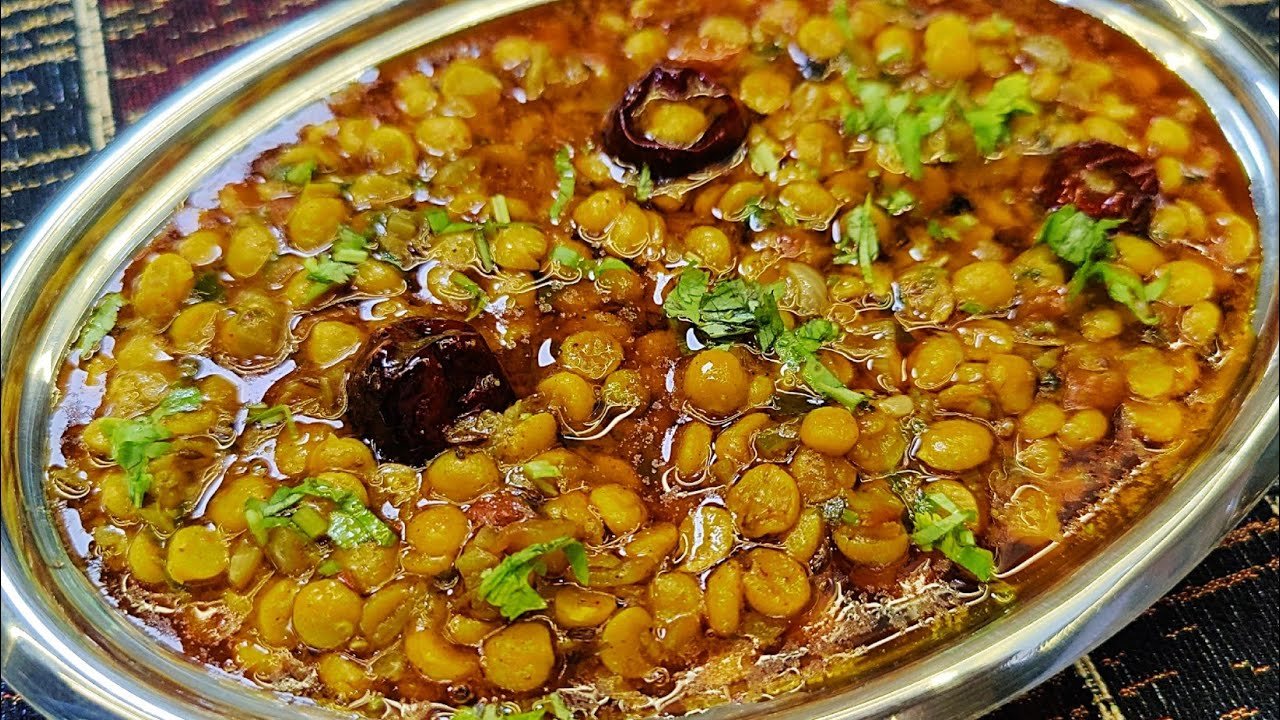
If you have ever traveled along the highways of India, you know that the soul of the journey lies in the rustic, smoky aroma wafting from roadside eateries. There is something undeniably magical about Dhaba Style Dal Tadka—it is creamy, soul-satisfying, and carries a distinct “charred” flavor that home kitchens often struggle to replicate. While it seems like a simple dish of lentils and tempered spices, the secret lies in the specific techniques and the layering of fats. In this guide, we are uncovering the professional street food secrets to help you master this iconic comfort food in your own kitchen.
1. The Ideal Lentil Blend
The foundation of a great Dhaba style dal is the mix of lentils. While many use only yellow moong, the authentic recipe relies on a 3:1 ratio of Toor Dal (pigeon peas) and Chana Dal (split chickpeas). The Chana dal provides a necessary bite and texture.
2. The Importance of Soaking
Never skip soaking your lentils for at least 30 to 60 minutes. Soaking ensures even cooking and helps the lentils break down into a creamy consistency without becoming a flavorless mush. It also significantly reduces cooking time and improves digestibility.
3. Scenting the Boil
Authentic dhabas don’t just boil lentils in water. They add turmeric, salt, a slit green chili, and a drop of oil to the pressure cooker. This infuses the lentils with flavor from the inside out, rather than just relying on the final tempering.
4. Achieving the Perfect Consistency
The hallmark of a street-style dal is its “flowy yet thick” texture. You want the lentils to be soft enough to mash slightly against the side of the pot, but you should still be able to see individual grains of Chana dal.
5. The Choice of Fat: Ghee vs. Oil
While oil is used for the initial sautéing, the real secret is the final tempering done exclusively in Desi Ghee. Ghee has a high smoke point and a nutty aroma that carries the spices beautifully, creating that signature rich mouthfeel.
6. The “Double Tadka” Technique
Most dhabas use a two-step tempering process. The first tadka is cooked with the onions and tomatoes to build the base flavor. The second, smaller tadka is poured over the dish right before serving to provide a fresh, aromatic punch.
7. Mastering the Onion-Tomato Base
Slowly sautéing finely chopped onions until they are deep golden brown is crucial. If the onions are undercooked, the dal will taste sweet; if they are perfectly caramelized, they provide a savory depth that balances the earthy lentils.
8. The Ginger-Garlic Punch
Dhabas use a coarse paste of ginger and garlic rather than a smooth store-bought version. Sautéing this paste until the raw smell disappears—but before it turns bitter—is the key to that pungent, appetizing aroma that hits you instantly.
9. Desi Tomatoes for Tang
Use “desi” or country tomatoes if possible. They have a higher acidity compared to hybrid varieties. This tanginess is essential to cut through the richness of the ghee and lentils, providing a balanced flavor profile to the final dish.
10. The Secret Spice: Hing (Asafoetida)
A generous pinch of strong Hing in the hot oil or ghee is non-negotiable. It provides a savory, “umami” background note and is traditional in Indian street food for both its digestive properties and its unique, pungent scent.
11. Cumin Seeds Crackle
When adding cumin seeds to the oil, wait until they sizzle and turn a shade darker. This “blooming” of the spice releases essential oils into the fat, ensuring the cumin flavor permeates every spoonful of the Dal Tadka.
12. Using Whole Red Chilies
Dried red chilies are added to the tempering for smoky heat. For an authentic look, keep them whole. They infuse the ghee with a subtle spice without making the dish overly hot, and they serve as a beautiful garnish.
13. The Magic of Kasuri Methi
Just before finishing, crush some dried fenugreek leaves (Kasuri Methi) between your palms and sprinkle them over the dal. This herb provides the “restaurant-style” aroma that distinguishes a professional dhaba dal from a standard homemade version.
14. Balancing with Acid
A final squeeze of fresh lemon juice right before serving is a street food secret that brightens all the other flavors. It wakes up the palate and makes the heavy lentils feel lighter and more vibrant.
15. The Dhungar Method (Smoky Flavor)
To get that authentic charcoal taste at home, use the Dhungar method. Place a small piece of glowing charcoal in a bowl inside the dal pot, pour a teaspoon of ghee over it, and cover the lid tightly for five minutes.
16. Fresh Coriander Garnish
Never underestimate the power of fresh cilantro. Finely chopped coriander stems can be added during the cooking process for deep flavor, while the leaves should be added at the end for freshness and a pop of color.
17. Don’t Over-Process the Lentils
Avoid using a whisk or a blender. The texture should be rustic. Using a traditional wooden churner or simply a heavy spoon to lightly mash a portion of the lentils creates the perfect creamy-yet-chunky consistency.
18. Adjusting Water at the End
If the dal becomes too thick, always add boiling water to thin it out—never cold water. Cold water shocks the lentils and causes the fats to separate, ruining the cohesive, silky texture of the gravy.
19. The Role of Kashmiri Red Chili Powder
For that vibrant red oil slick on top without extreme heat, use Kashmiri red chili powder in the second tempering. It provides a brilliant color that makes the dish look as good as it tastes.
20. Salt Balancing
Lentils absorb a lot of salt. Always taste and adjust at the very end. Proper salting is the difference between a flat-tasting lentil soup and a restaurant-quality Dal Tadka that pops with flavor.
SEO Meta Description
Learn the street food secrets to making authentic Dhaba Style Dal Tadka at home. Master the smoky Dhungar method and double tempering for the perfect lentil recipe.
Focus Keywords
- Dhaba Style Dal Tadka
- Indian Street Food Recipe
- Restaurant Style Dal Recipe
- How to make smoky Dal Tadka
- Authentic Yellow Dal Recipe
- Tarka Dal Secrets
FAQ Section
Q: Why is my Dal Tadka not as smoky as the dhaba version? A: The smoky flavor comes from the Dhungar method using a hot coal or from cooking over an open flame. You can replicate this by using the charcoal smoking technique explained in point 15.
Q: Can I make this recipe vegan? A: Yes, simply replace the ghee with a high-quality vegetable oil or vegan butter, though the flavor profile will be slightly less nutty.
Q: Which lentils are best for Dal Tadka? A: A combination of Toor Dal and Chana Dal is best. The Toor dal provides creaminess, while the Chana dal ensures the dish has texture and body.
Internal Linking Suggestions
- The Perfect Jeera Rice: How to make fluffy cumin rice to pair with your dal.
- Homemade Garlic Naan: A step-by-step guide to making restaurant-style bread without a tandoor.
- Indian Side Dishes: 5 quick vegetable stir-fry recipes to complete your thali.
Conclusion
Mastering the Dhaba Style Dal Tadka is all about patience and technique rather than complicated ingredients. By focusing on the “double tadka,” using the right blend of lentils, and finishing with the smoky charcoal method, you can bring the authentic taste of the Indian highway right to your dinner table. Whether you serve it with steamed rice or a buttery roti, this dal is sure to become a household favorite.
Leave a Reply