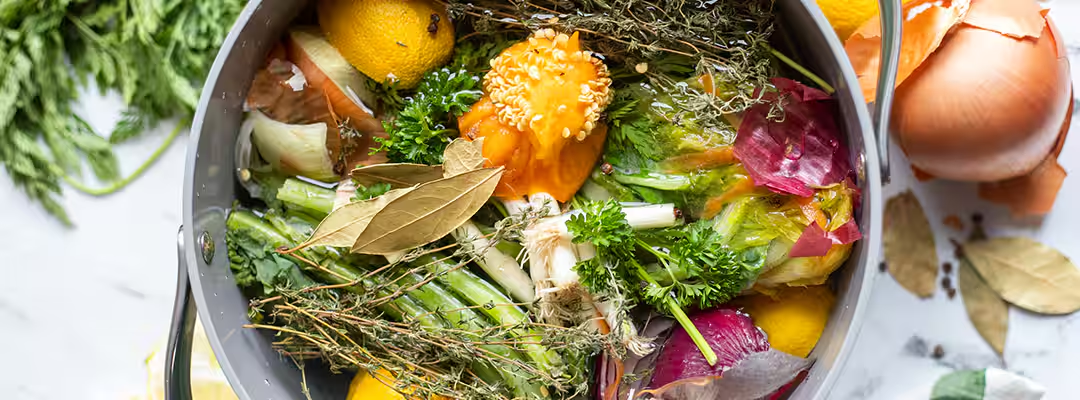
We’ve all been there: standing over the sink, mindlessly discarding heaps of potato skins, carrot tops, and broccoli stalks into the bin. However, embracing a Zero Waste Kitchen: Dishes Made from Vegetable Peels is not just an eco-friendly trend; it is a culinary revelation that saves money and maximizes nutrition. Most of a vegetable’s fiber and antioxidants live in or just under the skin. By reimagining these “scraps” as star ingredients, you can unlock incredible textures and deep flavors that most home cooks miss out on. Let’s explore how to transform your kitchen waste into gourmet meals.
1. The Magic of Crispy Potato Skin Chips
Instead of tossing potato peels, toss them in olive oil, sea salt, and smoked paprika. Roast them at 200°C until they become shatteringly crisp. These potato skin chips are higher in fiber than traditional fries and make a perfect, rustic snack for movie nights.
2. Deeply Flavorful “Scrap” Vegetable Broth
Keep a gallon-sized freezer bag for clean vegetable ends. Once full, simmer these peels, onion skins, and herb stems in water for an hour. This homemade vegetable broth is richer and more complex than any store-bought carton, providing a perfect base for risottos.
3. Zesty Candied Citrus Peels
Lemon, orange, and grapefruit peels are packed with essential oils. Boil them in a simple syrup (equal parts water and sugar) until translucent, then toss in granulated sugar. These candied peels are excellent for decorating cakes or adding a citrusy punch to dark chocolate.
4. Nutritious Carrot Peel Pesto
Carrot peels have an earthy sweetness that works beautifully in sauces. Blanch the peels quickly, then pulse them in a food blender with toasted walnuts, garlic, parmesan, and olive oil. It is a vibrant, sustainable twist on traditional basil-based pesto that pairs perfectly with pasta.
5. Savory Vegetable Peel Tempura
Lightly batter thin strips of parsnip or sweet potato peels in a mixture of flour and soda water. Flash-fry them until they are golden and airy. The high surface-area-to-flesh ratio of peels makes them the ideal candidate for a satisfyingly crunchy tempura.
6. Infusing Oils with Allium Skins
The dry, papery skins of onions and garlic are brimming with quercetin and flavor. Submerge clean skins in warm olive oil for thirty minutes, then strain. The result is a fragrant, amber-colored oil that adds an instant flavor boost to salad dressings or roasted meats.
7. Pickled Watermelon Rinds
The white part of the watermelon rind is essentially a vegetable similar to a cucumber. Slice them thinly and brine them in vinegar, sugar, and ginger. Pickled rinds are crunchy, refreshing, and serve as an incredible palate cleanser or a topping for grilled fish.
8. Broccoli Stalk “Noodles” or Slaw
Many people discard broccoli stems, but the core is tender and sweet. Peel the woody exterior and spiralize the center into “noodles” or julienne it for a crunchy slaw. It absorbs dressings beautifully and adds a fantastic textural contrast to any salad.
9. Dried Tomato Skin Powder
If you are peeling tomatoes for a sauce, don’t throw the skins away. Dehydrate them in a low oven until brittle, then grind them into a fine powder. This “tomato dust” is a concentrated hit of umami that elevates soups, stews, and even popcorn.
10. Apple Peel Tea with Cinnamon
Apple peels contain the bulk of the fruit’s polyphenols. Simmer them with a cinnamon stick and a bit of honey for a soothing, caffeine-free tea. It’s a warm, comforting way to ensure no part of the fruit goes to waste after baking a pie.
11. Sautéed Radish Leaf Greens
Radish tops are peppery and tender, very similar to arugula or spinach. Sauté them quickly with garlic and red pepper flakes. They make an excellent side dish or a nutritious addition to a morning omelet, providing a zero-waste boost of vitamin C.
12. Roasted Squash Seed Snacks
While not a “peel,” seeds are often wasted alongside them. Scoop out seeds from butternut or pumpkins, rinse away the pulp, and roast them with cumin and lime. They provide a satisfying protein-packed crunch that beats any processed store-bought nut mix.
13. Whipped Pea Pod Purée
Empty pea pods are often too fibrous to eat whole, but they hold incredible flavor. Boil them until soft, blend thoroughly, and pass through a fine sieve. The resulting bright green purée is silky and sweet, perfect for elegant plating or stirring into soup.
14. Fermented Vegetable Peel Kimchi
If you’re into gut health, use cabbage cores and radish peels in your next ferment. The natural sugars in the peels help feed the healthy bacteria, resulting in a spicy, tangy condiment that reduces waste while improving your digestive wellness.
15. Banana Peel “Bacon”
Surprisingly, ripe banana peels are edible and fibrous. When marinated in soy sauce, liquid smoke, and maple syrup, then pan-fried, they take on a chewy, smoky quality. It’s a creative vegan alternative that uses the most frequently discarded fruit part.
16. Beet Skin Borscht Base
Beet skins provide an intense, natural dye. Use them to deepen the color of soups or even as a natural food coloring for pasta dough. The skins contain high concentrations of betalains, which have powerful anti-inflammatory properties for the body.
17. Corn Cob Jelly
After cutting kernels off the cob, boil the cobs to extract their sweet, milky essence. Combine this liquid with pectin and sugar to create a unique “corn jelly.” It tastes remarkably like honey and is a classic Appalachian zero-waste tradition.
18. Herb Stem Infused Vinegar
Don’t toss the woody stems of parsley, cilantro, or mint. Stuff them into a jar of white wine vinegar and let it sit for a week. The stems carry the plant’s essential oils, creating a flavored vinegar that is perfect for bright summer vinaigrettes.
19. Ginger Peel Syrup
Ginger is difficult to peel perfectly, so use the scraps! Simmer ginger skins with sugar and water to create a spicy simple syrup. It’s a fantastic addition to cocktails, homemade sodas, or drizzled over a fruit salad for an extra kick.
20. Cucumber Skin Gazpacho
When making a salad, save the cucumber peels. Blend them with green bell peppers, garlic, and lime for a vibrant, ultra-green gazpacho. The skins provide a more intense color and a fresher “green” flavor than the watery flesh alone.
SEO Meta Description
Transform your kitchen with a Zero Waste Kitchen: Dishes Made from Vegetable Peels. Learn how to turn scraps into gourmet snacks, broths, and seasonings today.
Focus Keywords
- Zero Waste Kitchen
- Vegetable Peel Recipes
- Sustainable Cooking
- Kitchen Scrap Ideas
- Upcycled Food
- Eco-friendly Cooking Tips
FAQ Section
Q: Are all vegetable peels safe to eat? A: Most are, provided they are scrubbed clean. However, avoid green potato skins (which contain solanine) and ensure you use organic produce when possible to minimize pesticide exposure on the skin.
Q: Do vegetable peels lose nutrition when cooked? A: While some vitamins are heat-sensitive, the fiber and minerals in the peels remain largely intact. In many cases, cooking actually makes the nutrients more bioavailable for your body to absorb.
Q: How do I store peels until I’m ready to use them? A: The best method is to store clean, dry peels in a sealed bag in the freezer. This prevents spoilage and allows you to accumulate enough scraps for a full recipe.
Internal Linking Suggestions
- The Ultimate Guide to Composting at Home: A perfect follow-up for scraps that truly can’t be eaten.
- 10 Easy One-Pot Vegan Meals: Showcasing how to incorporate these peel-based broths.
- Hidden Nutrition: Why You Should Stop Peeling Your Produce: A deep dive into the health benefits of skins.
Conclusion
Transitioning to a Zero Waste Kitchen: Dishes Made from Vegetable Peels is a rewarding journey for both your palate and the planet. By viewing every part of the vegetable as an opportunity rather than trash, you reduce environmental impact and discover textures you never knew existed. Start small—perhaps with a batch of potato skin chips—and soon you’ll find that the “scraps” are often the best part of the meal.
Leave a Reply